Electrical Safety Inspection for Homes: What to Expect

Last Updated: October 30, 2026
Quick Summary
An electrical safety inspection is a top-to-bottom evaluation of your home's electrical system performed by a licensed electrician, covering the service panel, branch circuits, wiring, outlets, switches, grounding and bonding, GFCI and AFCI protection, and appliance cords and plugs. Most homes benefit from an electrical safety inspection every three to five years, and annually if the house is older, has had additions, or runs heavy loads like EV chargers.
Book an inspection after buying a house, before a major remodel, or when breakers trip for no clear reason.
Walk the house a day or two before the visit and write down anything that looks, feels, or smells wrong.
Clear access to the panel, attic hatch, garage, and crawl space door before the electrician arrives.
Call a licensed electrician for burning smells, scorch marks, buzzing outlets, or breakers that trip repeatedly.
Sort the report into three buckets: fix now, fix this year, and monitor.
Table of Contents
What an Electrical Safety Inspection for Homes Covers
An electrical safety inspection for homes is a top-to-bottom evaluation of your electrical system performed by a licensed electrician.
Most homeowners book one after buying a house, before a major remodel, or when breakers start tripping for no clear reason.

What an Electrician Examines During the Visit
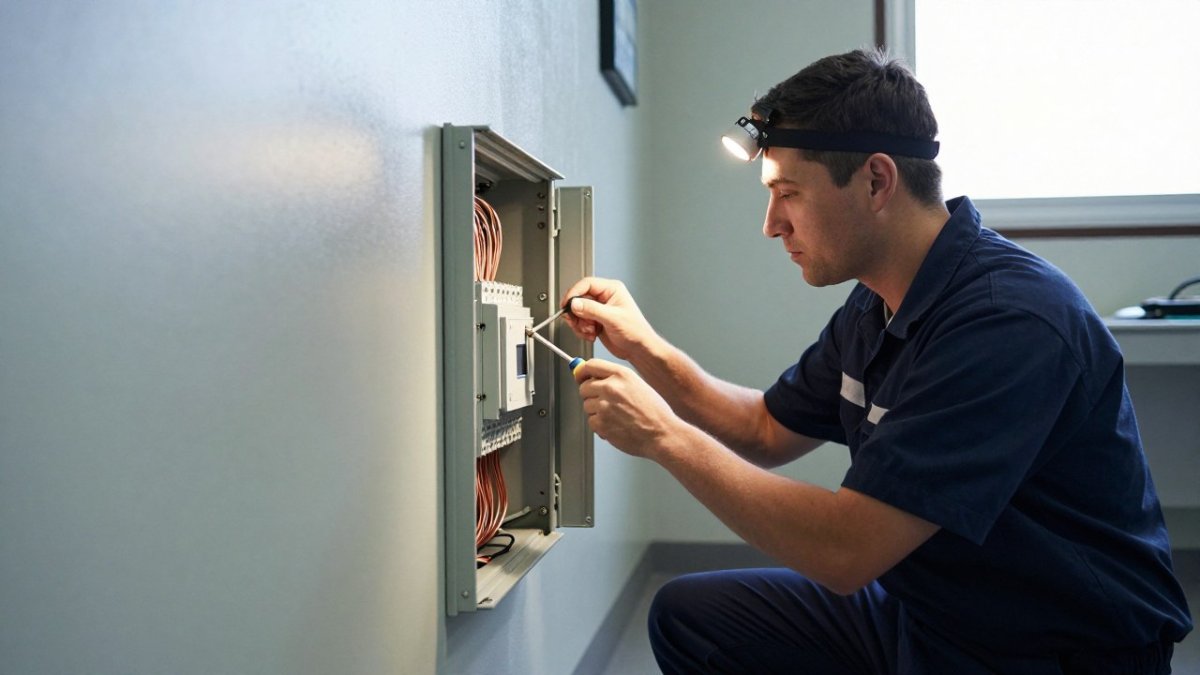
The electrician inspects the service panel, branch circuits, wiring, outlets, switches, grounding and bonding, GFCI and AFCI protection, and the cords and plugs on major appliances. Smoke detectors get checked too, since they depend on the same circuits.
Why Inspections Matter: Hazards They Help Prevent
Electrical failures remain a leading cause of home fires, and the hazards an inspection targets are almost always invisible until something goes wrong. Damaged wiring behind drywall, a loose neutral in the panel, or a missing ground can sit quietly for years.
The three risks a qualified electrician evaluates are fire risk from overheating connections, electrical shock from missing grounding or unprotected outlets, and code compliance gaps that surface during insurance or real estate transactions. Older homes carry more of all three.
Your Home Electrical Inspection Checklist, Room by Room
A home electrical inspection checklist walks the property room by room so nothing gets skipped. The version below serves as a safe observation list you can use before the visit. The homeowner column is limited to looking, listening, and testing GFCI buttons, never opening panels, outlets, or junction boxes.
Room or Area | What the Electrician Checks | Safe Homeowner Observations |
Kitchen | GFCI protection at counter outlets, dedicated circuits for range and dishwasher, appliance cord condition, under-cabinet wiring | Test GFCI buttons monthly; look for cracked outlet faces, warm plug faces, or cords run across the range |
Bathrooms | GFCI at every receptacle, exhaust fan wiring and venting, no receptacles within reach of tub or shower | Test GFCI; watch for fogged mirrors that never clear (fan problem) or outlets that trip when the hair dryer starts |
Bedrooms | AFCI protection, outlet condition, switched receptacle function, no overloaded power strips | Count devices on each power strip; note any outlet that grips a plug loosely or shows a brown scorch mark |
Living areas | Receptacle tightness, switch function, cord routing, entertainment center load | Feel switch plates for warmth; check that lamps and TVs are not daisy-chained through extension cords |
Laundry and garage | Dedicated circuits for dryer and freezer, GFCI in garage, dryer vent and cord condition | Look for a dryer cord that is warm to the touch; confirm the garage GFCI resets |
Basement and attic | Exposed wires, junction box covers, moisture damage, abandoned wiring | Note any junction box missing a cover; look for water stains near wiring or panel |
Exterior | Weatherproof covers, outdoor lighting, landscape wiring, pool and hot tub bonding | Check that in-use covers close fully; look for cracked or missing cover plates |
How to Use the Checklist Before the Visit
Walk the house a day or two before the visit and write down anything that looks, feels, or smells wrong. Note the room, the device, and what you observed, for example, "guest bath GFCI will not reset" or "garage outlet warm after running the freezer." That list shortens the inspection because the electrician can go straight to the suspect circuit instead of tracing every branch.
Clear access to the panel, attic hatch, garage, and any crawl space door. An electrician who has to move boxes to reach the panel will spend inspection time on labor rather than diagnosis.
What the Checklist Cannot Tell You
A visual walkthrough, yours or the electrician's, cannot see inside walls, under slabs, or behind finished ceilings. It cannot confirm conductor size at every junction, verify torque on every lug, or detect a failing breaker that has not yet tripped. Those limits are why the professional inspection includes panel removal, meter testing, and a written report rather than a glance around each room. Treat the checklist as a way to organize findings, not as a substitute for the inspection itself.
Pro Tip Photograph each room's outlets and panel before the visit. Photos help the electrician match your observations to the report and give you a before-and-after record if repairs follow.
Panel, Wiring, and Grounding Checks
The panel is where most serious findings show up. If you have noticed warm panel covers or breakers that trip repeatedly, our guide to the 7 signs your electrical panel needs replacement explains when repair stops being the answer.
Grounding and bonding come next, because they determine whether a fault travels safely to earth or through a person.
Signs of Electrical Problems in a House That Warrant a Call
Call a licensed electrician when you notice burning smells, scorch marks, buzzing outlets, breakers that trip repeatedly, or lights that flicker across multiple rooms. Those symptoms point to loose connections or damaged wiring that a DIY fix will not solve.
Smaller signals matter too: warm switch plates, two-prong outlets with no ground, and GFCI receptacles that will not reset. If you are seeing several of these at once, our article on the signs of faulty electrical wiring every homeowner should know covers each warning sign in detail and when to stop using the circuit.
Electrical Inspection Cost and What Drives It
Pricing depends on property size, home age, and the scope of the work. For current prices or a quote, contact Grace Mechanical Services directly.
Rather than publish a flat rate, Grace Mechanical Services quotes each job after learning the details of the home. Contact the business for current pricing.
What Separates a Visual Inspection from a Full Diagnostic
Scope | What Is Included | What It Typically Costs Relative To |
Visual safety inspection | Panel cover removed, visible wiring and devices examined, GFCI/AFCI tested, written report | Baseline |
Full diagnostic | Visual scope plus meter testing at receptacles, circuit tracing, load check, labeled panel schedule | Higher than baseline |
Inspection plus repair | Diagnostic plus repair of identified hazards, often quoted separately after the report | Highest |
Ask for a written scope before booking so you know exactly what the visit includes.
What a Fair Quote Should List
Before booking, ask for a written scope that describes exactly what the visit includes and how any fee applies.
Watch Out Be cautious of an inspection quote that is far below the local range and paired with a same-day repair pitch. A legitimate inspection produces a report you can act on later; a sales visit produces urgency. Ask for the report in writing before approving any repair.
Follow-On Costs to Plan For
If the inspection turns up a panel that needs replacement, our residential electrical panel upgrade cost guide explains the factors that shape that follow-up project. Budget for the inspection first, then decide which findings to fix now, this year, or monitor based on the urgency categories in the report.
When the Inspection Pays for Itself
An inspection is most likely to return its cost when it catches a hazard before a fire, a shock, or a failed insurance or real estate transaction. Sellers and buyers often use the report to negotiate repairs, and insurers may ask for evidence that a panel or wiring concern was evaluated. In those settings, the written report is the deliverable that matters, not the visit itself.
How Often to Inspect Home Electrical Wiring
Most homes benefit from an electrical safety inspection every three to five years, and annually if the house is older, has had additions, or runs heavy loads like EV chargers or shop equipment. A home electrical inspection is not a one-time event; wiring degrades, and new appliances add demand.
Move the timeline up if you are buying or selling, filing an insurance claim, or finishing a renovation. Homes over 40 years old deserve closer attention because aluminum branch wiring, ungrounded circuits, and undersized service panels were common in that era.
Prioritizing Findings and DIY Checks vs. a Pro
Sort the report into three buckets: fix now, fix this year, and monitor. Exposed wires, scorched connections, and missing grounding are fix-now items. A tired outlet or an unlabeled panel can wait a few weeks.
You can safely replace a lamp cord or reset a tripped GFCI. You should not open a panel, splice wiring, or chase a dead circuit yourself. If anything on the report involves heat, burning, or shock risk, treat it as urgent and read our guide on how to book a 24 hour emergency electrician before touching anything.
Booking Your Electrical Safety Inspection
Schedule the visit when someone can walk the house with the electrician, and clear access to the panel, attic hatch, and garage beforehand.
You can book an electrical diagnostic with our team. We are family owned, available 24/7 for emergencies, and provide both HVAC and electrical services.
Frequently Asked Questions
What does an electrical safety inspection for a home include?
A home electrical safety inspection is a visual and functional check of the residential electrical system. Contact Grace Mechanical Services to confirm the scope of a visit before booking. It is a visual and functional safety check, not a code-compliance certification or a guarantee that hidden wiring is fault-free.
How much does a home electrical safety inspection cost?
Electrical inspection cost depends on property size, home age, and how much of the system gets examined. Grace Mechanical Services has not published pricing, so call for a quote before booking. Ask what the fee covers so there are no surprises.
How often should I inspect home electrical wiring?
Most electricians suggest an electrical safety inspection every 10 years for a home in good condition, and sooner, every 3 to 5 years, for older houses or ones with a history of tripped breakers. Schedule one before buying a house, after a major remodel, when adding high-draw appliances, or if you notice signs of electrical problems in a house such as warm outlets, burning smells, or flickering lights. Homes over 40 years old benefit most because wiring and panel capacity often lag behind modern loads.
Can I inspect my home's electrical system myself?
You can do safe DIY checks: test GFCI outlets with the test button, look for cracked cords and damaged plates, confirm smoke detectors work, and note any warm receptacles or flickering switches. What you cannot do safely is open the panel, probe wiring, or evaluate grounding and bonding. Those tasks require a licensed electrician with the right tools and insurance. Use a home electrical inspection checklist to record what you find, then hand it to the electrician so the professional inspection focuses on the areas that concern you most.
If your breakers are tripping, outlets feel warm, or you simply do not know when the wiring was last checked, that uncertainty is the risk. Grace Mechanical Services sends licensed electricians who inspect, test, and explain findings in plain language, backed by our family-owned, 24/7 emergency service and our combined HVAC and electrical expertise. Get started with Grace Mechanical Services and schedule an electrical safety inspection that gives you a clear, prioritized plan for your home.
Comments