HVAC vs Electrical Services in Kokomo: What to Call

Last Updated: October 25, 2026
Quick Summary
HVAC vs electrical services in Kokomo splits by what each trade is licensed to fix: HVAC technicians handle heating, cooling, and air movement, while electricians handle the wiring, panels, and circuits that power your equipment. If your AC blows warm air but the outdoor unit runs, call HVAC; if the unit is silent, call an electrician first.
Check whether the outdoor condenser has power before calling either trade to avoid a wasted service call.
A breaker that trips repeatedly signals a failing circuit, not a nuisance to keep resetting.
Heat pump replacements and panel upgrades need an electrician to confirm circuit capacity before HVAC work begins.
Ask for the license number, certificate of insurance, and permit responsibility in writing before hiring.
HVAC technicians handling refrigerant must hold EPA Section 608 certification under the Clean Air Act.
Table of Contents
HVAC vs Electrical Services in Kokomo: The Core Difference
What an HVAC Technician Handles
What an Electrician Handles
Side-by-Side Comparison: HVAC and Electrical Work
The One Test That Saves a Service Call
Where the Trades Overlap
When You Need Both
HVAC or Electrician for AC Not Working? A Symptom Guide
How HVAC and Electrical Systems Interact in Your Home
Heating and Cooling Repair Kokomo Homeowners Actually Need
Residential Electrical Repair Kokomo: When to Call
HVAC Maintenance Kokomo: Why Tune-Ups Prevent Electrical Failures
Licensing, Permits, and Safety: What to Verify Before You Hire
What Indiana Requires
HVAC-Specific Credentials
Electrical-Specific Safety
Refrigerant and Electrical Hazards Homeowners Should Not Touch
A Five-Minute Verification Checklist
Frequently Asked Questions
HVAC vs Electrical Services in Kokomo: The Core Difference

Here's the short version: an HVAC technician diagnoses and repairs the equipment that heats and cools your air. An electrician diagnoses and repairs the delivery system that feeds power to that equipment.
What an HVAC Technician Handles
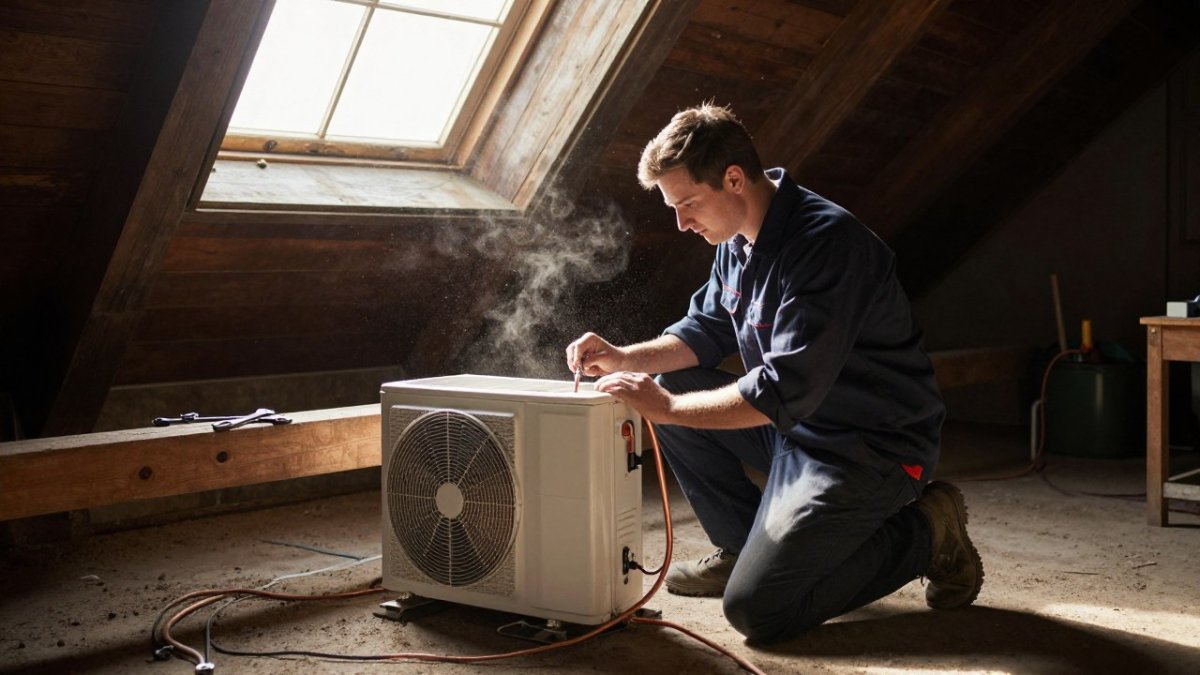
HVAC technicians install, repair, and maintain furnaces, air conditioners, heat pumps, mini-splits, and refrigeration equipment. They also work on ductwork, thermostats, refrigerant lines, and airflow balancing. In Indiana, that means a technician who can troubleshoot a furnace that short-cycles, recharge a system low on refrigerant, or size a replacement unit correctly for your square footage.
Our HVAC diagnostic service is built around exactly that work: finding the actual fault before anyone quotes a replacement.
What an Electrician Handles
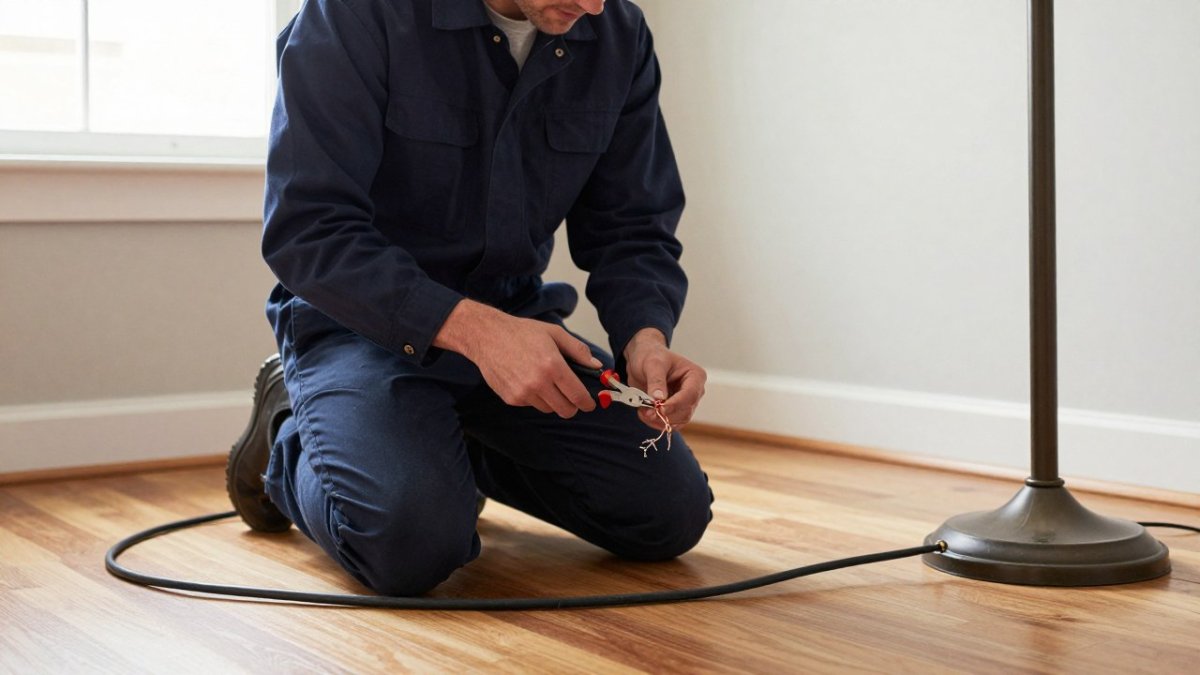
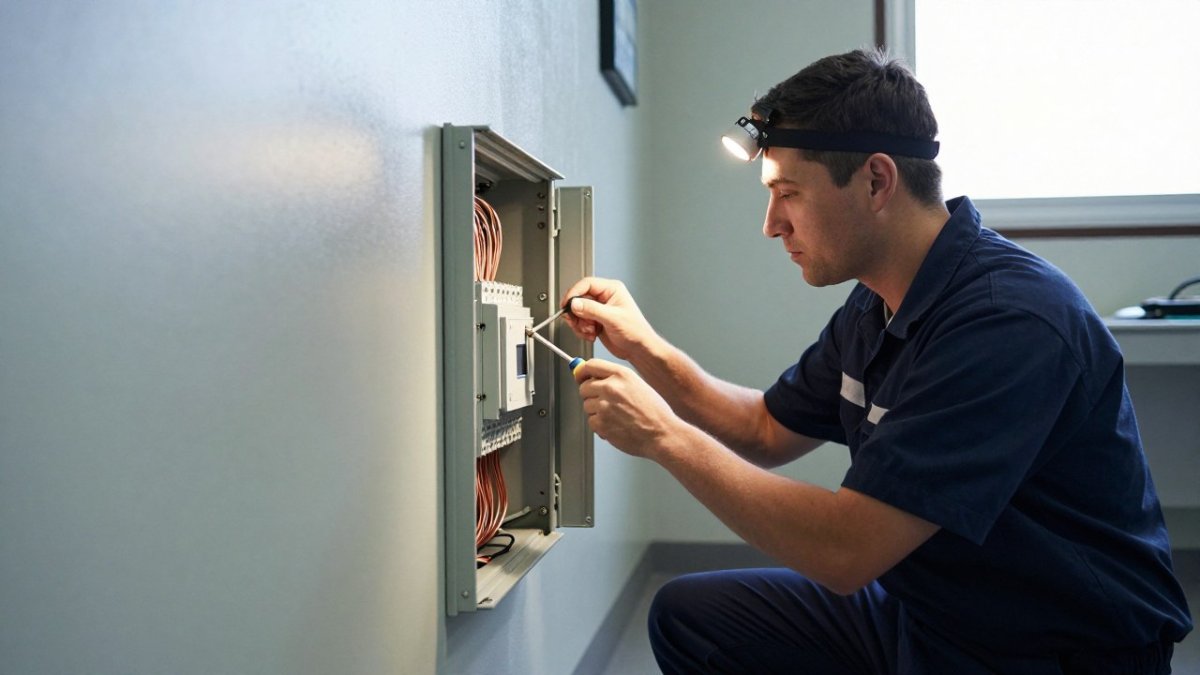
Electricians install and repair the wiring, breakers, panels, outlets, switches, and equipment connections that carry power through your home. They handle panel upgrades, new circuit runs, ceiling fan installs, and the dedicated circuits your furnace and AC condenser need to run safely.
If you want to see that work in action, our electrical diagnostic service covers the inspection and repair side.
Side-by-Side Comparison: HVAC and Electrical Work
The fastest way to sort a home problem is to match the symptom to the trade, and in Kokomo, that decision often comes down to whether the fault is in the equipment or in the power feeding it. The table below covers the calls we see most often in Howard County homes, followed by the decision logic that makes the table useful.
Symptom or Job | Who to Call | Why |
AC blows warm air but the outdoor unit is running | HVAC technician | Refrigerant charge, compressor, or airflow fault |
AC blows warm air and the outdoor unit is silent | Electrician first | No power at the condenser, check breaker, disconnect, and circuit |
Furnace won't ignite | HVAC technician | Ignitor, flame sensor, gas valve, or control board issue |
Breaker trips when AC starts | Electrician first | Circuit overload, undersized wire, or failing breaker |
Burning smell at an outlet or switch | Electrician immediately | Possible wiring or connection failure, shut off the circuit |
Thermostat screen is blank | Electrician or HVAC | Low-voltage transformer vs. control-board fault |
Flickering lights across the house | Electrician | Loose neutral, panel problem, or service issue |
Uneven room temperatures | HVAC technician | Ductwork, balancing, or equipment sizing |
Panel upgrade for a new system | Electrician | Dedicated circuit and capacity check before install |
New AC or heat pump installation | Both, sequenced | Electrician confirms circuit capacity; HVAC tech sizes and connects equipment |
The One Test That Saves a Service Call
Before you call either trade, check whether the outdoor condenser has power. If the unit is silent and the breaker is tripped, reset it once. If it trips again, stop, that is an electrical problem, and an HVAC technician cannot legally or safely fix it. If the unit hums, spins, or blows warm air, the power is reaching it and the fault is almost certainly in the equipment.
Where the Trades Overlap
The overlap is real and it is where most misdiagnoses happen. A failed capacitor looks like a dead compressor. A loose neutral at the panel looks like a failing blower motor. A tripped breaker looks like a bad thermostat. In each case, the symptom points at one trade while the cause sits with the other. That is why we ask every caller two questions before dispatching: is the breaker tripped, and does the outdoor unit have power?
Pro Tip If you are unsure which trade to call, describe the symptom in plain language, "breaker trips when the AC starts" or "furnace clicks but won't light", and let the dispatcher route you. Guessing wrong costs a diagnostic fee and a delay, especially in July when Kokomo HVAC schedules fill up.
When You Need Both
Some jobs genuinely require both trades, and the order matters. A heat pump replacement, a panel upgrade to support new central air, or a mini-split install in a garage all need an electrician to confirm circuit capacity before an HVAC technician sizes and connects the equipment. Doing it in the wrong order means paying for a return visit. Ask any contractor you hire whether the job requires a permit and whether the other trade needs to be scheduled first.
HVAC or Electrician for AC Not Working? A Symptom Guide
When the AC stops working, call an electrician first if the breaker trips, outlets near the unit are warm, or the outdoor unit has no power at all.
Flickering lights and burning smells are electrical symptoms, and our guide to the signs of faulty electrical wiring walks through when to call a licensed electrician right away.
Watch out: a breaker that trips repeatedly is not a nuisance to reset.
How HVAC and Electrical Systems Interact in Your Home
Your heating and cooling equipment depends on the electrical system more than most homeowners realize. A furnace needs a dedicated circuit and a working control board.
That interaction is why we treat the two trades as one system. When a customer tells us the AC keeps tripping the breaker, the honest answer is often that the equipment is fine and the circuit is not.
Heating and Cooling Repair Kokomo Homeowners Actually Need
Heating and cooling repair in Kokomo usually falls into a few predictable buckets: failed capacitors and contactors on the condenser, dirty flame sensors on furnaces, refrigerant leaks, and blower motors that quit mid-season.
A common mistake is replacing a system when a single failed component caused the outage. A capacitor is a small part. A compressor is not. Diagnosis first, replacement second.
Residential Electrical Repair Kokomo: When to Call
Residential electrical repair in Kokomo covers panel upgrades, breaker replacement, outlet and switch repair, and new dedicated circuits for equipment. Older homes in the area often carry panels that were never sized for modern loads, and adding central air or a heat pump exposes that gap fast.
Call an electrician when you see scorch marks, smell burning plastic, feel warm outlets, or notice lights dimming when the AC kicks on. Those are not cosmetic issues.
HVAC Maintenance Kokomo: Why Tune-Ups Prevent Electrical Failures
HVAC maintenance in Kokomo prevents electrical failures because most of them start small: a loose connection, a dirty contactor, a capacitor drifting out of spec. A seasonal tune-up catches those before they strand you in a July heat wave or a January freeze.
If you want that protection on a schedule, our seasonal HVAC maintenance service covers the tune-up side.
Licensing, Permits, and Safety: What to Verify Before You Hire
Verify licensing, insurance, and permits before any HVAC or electrical work begins, because the person doing the work carries legal responsibility for it, and in Indiana, that responsibility is defined by specific state agencies and rules you can check yourself. Most homeowners skip this step and rely on a truck wrap and a handshake. That is how unpermitted work ends up in a home and surfaces years later during a sale inspection.
What Indiana Requires
HVAC and electrical work in Indiana are regulated at the state level, with local permitting layered on top in Kokomo and Howard County. Before you hire, confirm three things in writing:
License status. Ask for the license number and verify it is active. Indiana professional licensing is administered through the state's online verification system.
Insurance. Request a certificate of insurance showing general liability coverage, and confirm the policy is current. If a contractor cannot produce one, walk away.
Permits. Electrical work and most HVAC replacements require a permit and an inspection. The permit should be pulled by the contractor, not left to you, and the inspection should happen before the job is considered complete.
HVAC-Specific Credentials
Beyond state licensing, HVAC technicians who handle refrigerant must hold EPA Section 608 certification under the federal Clean Air Act (the EPA). That certification is what allows a technician to legally recover, recycle, and recharge refrigerant. Ask for it directly, an uncertified technician cannot legally service the refrigerant side of your system, and venting refrigerant is both illegal and hazardous.
Electrical-Specific Safety
Electrical work carries shock and fire risk that HVAC work does not, and the safety rules reflect that. A licensed electrician will de-energize circuits, verify with a tester, and pull a permit so the work is inspected. If anyone proposes to do electrical work "without the paperwork to save you money," that is a red flag, not a discount. Unpermitted electrical work can void homeowner insurance claims and complicate a future sale.
Watch Out Stop and call a licensed electrician immediately if you see scorch marks, smell burning plastic, feel warm outlets or switch plates, or notice lights dimming when the AC kicks on. These are not cosmetic issues, they are signs of connection or wiring failure that can lead to a fire.
Refrigerant and Electrical Hazards Homeowners Should Not Touch
Two parts of these systems are genuinely dangerous to DIY: refrigerant lines and electrical panels. Refrigerant under pressure causes frostbite and displaces oxygen in enclosed spaces, and the equipment to handle it legally is not sold to homeowners. Electrical panels remain live even when the main breaker is off in many configurations, and panel work is the leading cause of serious electrical injury.
A Five-Minute Verification Checklist
Before you sign anything, run this checklist:
License number in hand, verified active online.
Certificate of insurance in writing, policy current.
Permit responsibility stated in the contract.
EPA 608 certification confirmed for any refrigerant work.
Written estimate that separates diagnosis from repair.
A contractor who hesitates on any of those requests is telling you something. Listen to it.
Frequently Asked Questions
What is the difference between HVAC and electrical services?
HVAC services cover heating, ventilation, and air conditioning equipment: furnaces, air conditioners, heat pumps, ductwork, and thermostats. Electrical services cover the wiring, circuits, breakers, and panels that deliver power to your home. The two overlap at the equipment connection point, where a furnace or condenser ties into its dedicated circuit. An HVAC technician diagnoses the equipment itself; an electrician diagnoses the power supply feeding it. Knowing which side your problem sits on saves a wasted service call.
How do I know whether a home problem needs an HVAC technician or an electrician?
Start with the symptom. No cool air from vents, strange noises from the outdoor unit, or a furnace that runs but never heats point to HVAC. Breakers that trip repeatedly, burning smells near outlets, dead outlets, or a panel that hums point to electrical. One useful test: if the thermostat has no display at all, check the breaker first. If the thermostat works but the system does not respond, the fault is usually in the HVAC equipment. When both are suspect, a provider that handles HVAC vs electrical work in one visit is faster.
Can an HVAC company in Kokomo also handle electrical repairs?
Some can, some cannot. A growing number of Kokomo providers staff both HVAC technicians and licensed electricians so one company can trace a problem from the panel to the equipment. Ask directly whether the electrical work is done by a licensed electrician on staff or subcontracted, and whether the company carries insurance for both trades. If the answer is vague, call a dedicated electrician for the wiring side and keep the HVAC company for the equipment.
Can electrical issues cause an HVAC system to stop working?
Yes, and they are among the most common causes of a system that seems dead. A tripped breaker, a failed disconnect box, a loose connection at the equipment, or a burned wire at the condenser can all stop a furnace or air conditioner with no fault in the equipment itself. That is why a proper system diagnosis starts at the panel and works toward the unit. If a breaker trips again right after you reset it, stop resetting it and call an electrician; repeated trips signal a real fault, not a nuisance.
What should I ask before hiring an HVAC or electrical contractor in Kokomo?
Ask four things: whether the technician is licensed for the specific trade, whether the company carries liability insurance and workers' compensation, whether a permit is required for your job and who pulls it, and what the emergency response time actually is after hours. Also request the estimate in writing before work begins and confirm whether diagnostic fees apply toward the repair. A reputable local company answers these without hesitation and puts the scope in writing.
Sorting out whether your problem is HVAC or electrical takes a trained eye, and guessing wrong costs time you don't have in a Kokomo summer or a hard freeze. Grace Mechanical Services is family owned, available around the clock for emergencies, and handles both trades under one roof, from high-efficiency heating and cooling installation to electrical repair and panel work. Get started with Grace Mechanical Services and get your home comfortable and safe again.
Book a Service
Add gracemechanicalservices.com as a preferred source on Google →
Comments