Why Your Furnace Smells Like Burning Dust

Last Updated: November 9, 2026
Quick Summary
Furnace burning dust is usually dust that settled on the heat exchanger and burners over the off-season burning off when the heat first starts. The smell is typically mild, appears during the first few heating cycles of the season, and fades on its own within a few hours of runtime.
Expect a light dusty odor during the first few heating cycles of the season.
A smell still noticeable after 2-3 days of regular use points to a different cause.
Replace the air filter every 1-3 months to reduce recurring dust odors.
A smell that gets stronger the longer the furnace runs means stop the heat and call a technician.
Rotten egg or burning plastic odors require shutting down the system or leaving the home.
Is that furnace smell normal or a warning?
Grace Mechanical Services finds the cause of furnace odors with fast, family-owned HVAC service.
Table of Contents
Why a Furnace Smells Like Burning Dust on First Startup
If you notice furnace burning dust when you turn it on, the cause is usually simple: dust that settled on the heat exchanger over the off-season is burning off.

Here is what happens. Your furnace sits idle for months. Dust collects on the burners, the heat exchanger, and the surrounding metal. When the heating cycle starts, that metal heats up fast.
The smell is usually mild and fades on its own.
Burning Smell From Furnace First Time: What to Expect
Expect a light, dusty odor during the first few heating cycles of the season. The smell is typically strongest at the start of the first cycle, when the heat exchanger heats up and burns off the accumulated dust.
Most homeowners notice it most on the first cold morning. The furnace runs, the smell appears, and then it goes away. If you run the heat again the next day, the odor is weaker or gone.
A few things make it stronger and longer-lasting:
A long off-season with no filter changes
Dusty basements or utility rooms
Recent remodeling or drywall work
A dirty filter that keeps recirculating dust
A furnace that sat through a humid summer, which lets dust cake onto the metal
How long is normal, and when does it stop being normal
Use these general guidelines to judge your situation:
Fades within the first few hours of runtime: Normal startup dust. No action beyond a filter check.
Still noticeable after 2-3 days of regular use: The dust should be gone by now. A persistent odor points to a different cause, such as a dirty filter, restricted airflow, or debris inside the cabinet.
Returns every time the furnace cycles, even weeks into the season: This is not startup dust. Recurring odor usually means dust is being pulled in from a dirty filter, leaky return duct, or a basement that stays dusty.
Gets stronger the longer the furnace runs: Stop running the heat and call a technician. A smell that intensifies with runtime points to overheating, a failing motor, or a component issue rather than dust burning off.
Appears only when the blower runs, not when the burners are on: The source is likely in the ductwork or the blower compartment, not the heat exchanger.
Watch out: a smell that fades and then returns mid-season is easy to dismiss as "just dust again," but it usually means the filter is clogged or the return duct is pulling in debris. Replace the filter and inspect the return grilles before assuming the odor is harmless.
If the smell lingers past a few days of use, stop guessing and get it checked. Persistent odor points to a different cause, and a technician can inspect the heat exchanger, blower, and ductwork.
Burning Dust Smell From Furnace First Time in Winter
The first cold snap is often when the furnace is first run hard after the off-season, which is when furnace burning dust becomes noticeable.
Winter startup combines two things: months of dust buildup and a sudden demand for heat. The furnace runs longer, so the odor circulates through more of the house. You may smell it at the vents in rooms that sat closed all summer.
A common mistake is ignoring the smell because "it's just dust." Learn how to spot common winter HVAC problems and their warning signs. Sometimes it is.
If you want to get ahead of it, schedule a residential HVAC tune-up before the cold sets in.
Normal vs. Concerning Furnace Odors: A Decision Guide
Not every smell is harmless, and the difference between a dust smell and a dangerous one comes down to three things: what the odor resembles, when it appears, and whether it changes with runtime. Use this decision guide to sort the normal from the urgent before you call anyone.
Odor | Likely Cause | Timing Pattern | What to Do |
Light dusty smell | Dust burning off the heat exchanger | First 1-3 heating cycles of the season, fades within a few hours of runtime | Run the heat, ventilate, let it fade |
Musty or moldy | Moisture in the ductwork, clogged condensate drain, or humidifier issue | Persistent, worse when the blower runs | Call a technician; do not run continuously |
Burning plastic | Melting wire insulation, overheated component, or plastic debris on a hot surface | Appears suddenly, often with a visible haze or breaker trip | Shut off at the thermostat and call for repair |
Burning rubber | Worn blower belt, overheating motor, or rubber debris in the cabinet | Worse as the blower runs longer | Shut off and get inspected |
Rotten eggs | Possible natural gas or propane leak | Any time the gas valve is open | Leave the home and call from outside |
Electrical or metallic | Wiring fault, failing blower motor, or control board issue | Intermittent, often with flickering lights or a tripped breaker | Shut off and call for repair |
Smoke or acrid char | Overheating motor, failed capacitor, or debris ignition | Sudden, with visible smoke or a burning-wire smell | Evacuate and call emergency services if smoke is present |
The dust smell is the only one on this list you can safely wait out. Everything else needs a professional look, and several warrant shutting the system down first.
The emergency decision tree
Does the smell resemble rotten eggs, or do you hear a hiss near the furnace? Treat it as a gas leak. Do not flip light switches, do not use the thermostat, and leave the home. Call your gas utility's emergency line or 911 from outside.
Do you see smoke, haze, or flames, or does the smell resemble burning plastic or electrical wiring? Shut the furnace off at the thermostat or the service switch, then at the breaker if you can reach it safely. Call for emergency HVAC service. Overheating wiring is a fire risk.
Is the smell a sharp rubber or metallic odor that gets stronger the longer the blower runs? Shut the system off and schedule a repair. A worn belt or failing motor will not fix itself.
Is the smell a light dusty odor that appeared on the first cold morning and is fading? This is normal startup dust. Ventilate the home, replace the filter if it is dirty, and let the system run through a few cycles.
Health symptoms and indoor-air precautions
A dust smell is an irritant, not a toxin, but sensitive occupants can still react. Watch for headache, eye or throat irritation, coughing, or worsening asthma symptoms when the heat runs. If anyone in the home experiences shortness of breath, chest pain, dizziness, or confusion, leave the home and seek medical help. Open windows and run bathroom and kitchen exhaust fans to dilute the odor while you investigate. Do not mask the smell with air fresheners; you want to know whether it is fading on its own.
How furnace type changes the picture
Gas furnaces produce the classic dust-burning smell on the heat exchanger and burners. They also carry the gas-leak risk, so any rotten-egg odor is a leave-the-home event.
Electric furnaces use resistance heating elements that can collect dust and produce a sharper, more metallic burning smell. A persistent electrical odor in an electric furnace often points to a failing element or loose connection.
Heat pumps in heating mode can produce a dusty smell from the auxiliary or emergency heat strips, especially on the first cold snap. A musty smell from a heat pump more often points to a clogged condensate drain or dirty indoor coil.
If the odor seems serious, know how fast help can arrive. Our guide on emergency HVAC repair response time explains what counts as an emergency and what to expect.
Furnace Smells Like Burning Plastic: Causes and Next Steps
A furnace that smells like burning plastic is a different problem. Plastic odor usually means a wire, connector, or component is overheating.
Common causes:
Melting wire insulation near a hot surface
A plastic part touching the heat exchanger
An overheated blower motor
Debris like a plastic bag or toy pulled into the system
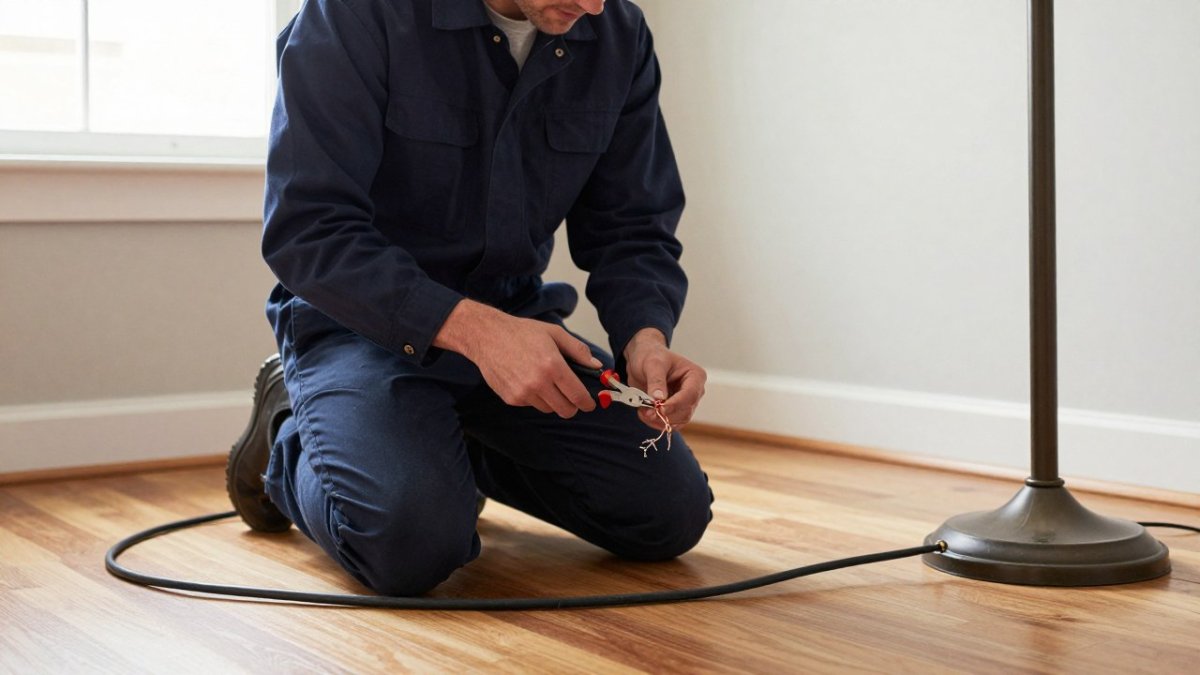
This is not a smell to wait out. Shut the furnace off at the thermostat and call a technician. Overheating wiring is a fire risk, and it will not fix itself.
Furnace Smells Like Burning Rubber: What It Means
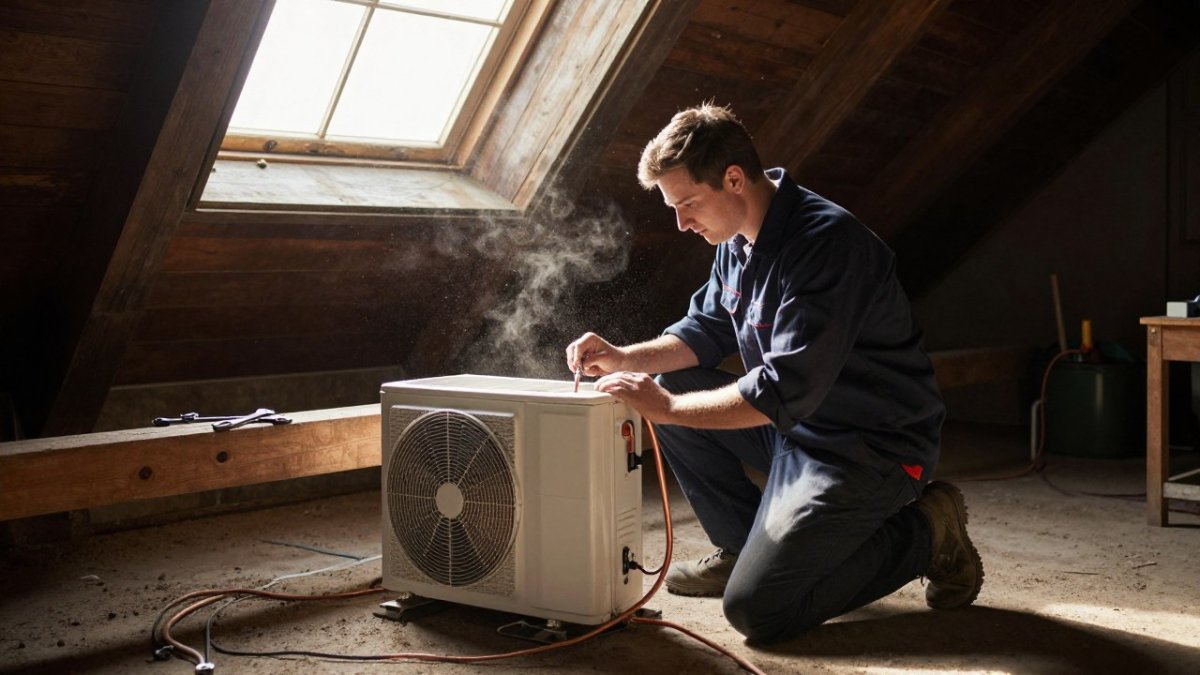
Burning rubber points to mechanical parts, not dust. The usual suspects are a worn blower belt, an overheating motor, or rubber debris inside the cabinet.
Older furnaces with belt-driven blowers are the most common source. A slipping or worn belt gives off that sharp rubber smell as it heats up.
Turn the system off and get it inspected. A belt is a cheap fix. A seized motor is not, and running it makes things worse.
Safe Homeowner Checks vs. Technician-Only Tasks
Some checks are safe for any homeowner. Others belong to a licensed technician.
Safe to do yourself:
Replace the air filter every 1-3 months
Keep the area around the furnace clear
Check that vents and returns are open
Vacuum dust around the unit's exterior
Confirm the thermostat is set to heat
Leave to a technician:
Cleaning the heat exchanger
Inspecting the blower motor and belt
Checking gas lines and burners
Testing for carbon monoxide
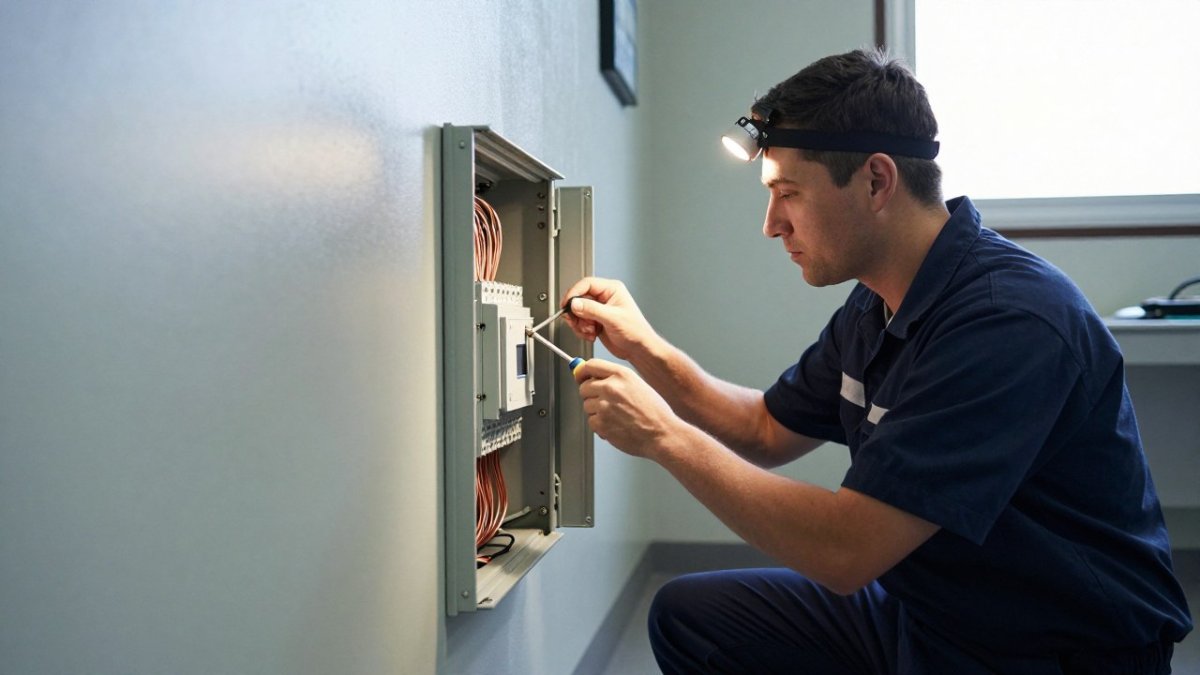
Diagnosing electrical components
A common mistake is pulling panels off to "take a look." Gas and electrical parts sit behind those panels. If you are unsure which tasks are safe, our guide on what homeowners can handle breaks it down.
Schedule a Furnace Inspection With Grace Mechanical Services
A burning dust smell is usually nothing. But a furnace that keeps smelling, or smells like plastic or rubber, needs a pro.
Grace Mechanical Services is a family-owned business offering 24/7 emergency service. We handle both HVAC and electrical work.
If you want the smell checked before it becomes a problem, book an HVAC diagnostic with our team.
A furnace that smells like burning dust on startup is normal. A furnace that keeps smelling is not. Let Grace Mechanical Services check it, with 24/7 emergency service, family-owned care, and full HVAC and electrical expertise. Get started with Grace Mechanical Services and breathe easier this winter.
Frequently Asked Questions
How long should a burning dust smell last when you turn on the furnace?
A burning dust smell from first-time startup usually fades as the dust burns off the heat exchanger. If the odor persists for several hours of runtime or returns every heating cycle, it points to a dirty filter, restricted airflow, or debris inside the unit. Shut off the furnace and call a technician if the smell lingers or worsens.
How can I tell if a furnace burning smell is dangerous?
A dusty smell on first startup is usually harmless. Danger signs include a sharp electrical odor, burning plastic or rubber, visible smoke, or a smell that persists after the first cycle. If you notice any of these, shut off the furnace at the breaker, open windows, and call an HVAC technician. A gas leak smells like rotten eggs, not dust, and warrants leaving the home immediately.
What should I do if my furnace smells like burning plastic?
A burning plastic smell often means a foreign object is touching a heating element or a wire is overheating. Turn off the furnace at the thermostat and the breaker, then check the filter for obstructions. Do not run the system until a technician inspects it. Plastic odors can release fumes and signal a fire risk, so treat them as urgent.
Why does my furnace smell like burning dust the first time I turn it on for winter?
Dust settles on the heat exchanger and burners during the off-season. When the furnace runs for the first time in winter, that dust burns off and creates a temporary odor. This is normal for the first heating cycle of the season. Cleaning or replacing the filter before startup reduces the smell and helps airflow.
Comments